Real Estate Investment for Beginners – 11 Things to Know
The world of real estate investment can seem dispiriting for beginners. With all the jargon and complex strategies, it’s easy to feel overwhelmed. But fear not! This blog guide will equip you with the real estate investing basics you need to undertake on your journey as a beginner real estate investor.
What to Know about Investing in Real Estate
A path to financial freedom is offered by real estate investing, with passive income generated through rentals or property appreciation. Whether you’re looking for the best real estate investments in India or opportunities abroad, understanding the fundamentals is key.
Here are 11 crucial steps to get you started with real estate investment for beginners :
Understanding Real Estate Investment Basics
- Real estate investment trusts (REITs)
- Real estate investment trusts (REITs): These are companies that own and operate income-producing real estate. You can invest in REITs through the stock market, offering a way to participate in the real estate market without directly buying a property.
- Rental properties: Owning rental properties allows you to generate passive income through rent payments from tenants. This is a classic strategy for real estate investors.
- Investment portfolio: A diversified portfolio is key to managing risk. Consider including real estate alongside other asset classes like stocks and mutual funds.
If you are curious about learning more about Real Estate Investment, please take a moment to read this blog – ”The Best Real Estate Investment for Beginners Revealed”.
- Setting Your Investment Goals
Before investing, define your goals! Are you looking for steady rental income to supplement your salary? Perhaps long-term capital appreciation through property value growth is your focus. Beginner real estate investors might target smaller, manageable properties for initial cash flow, while experienced investors might have a diversified portfolio with various goals. Knowing your “why” will guide your investment strategy.
- Educating Yourself About the Market
- Research current trends in real estate in India. Look at resources like industry reports, attend local workshops, or connect with experienced real estate investors.
- Read books and articles on real estate investing for beginners.
- Network with experienced real estate investors to gain valuable insights.
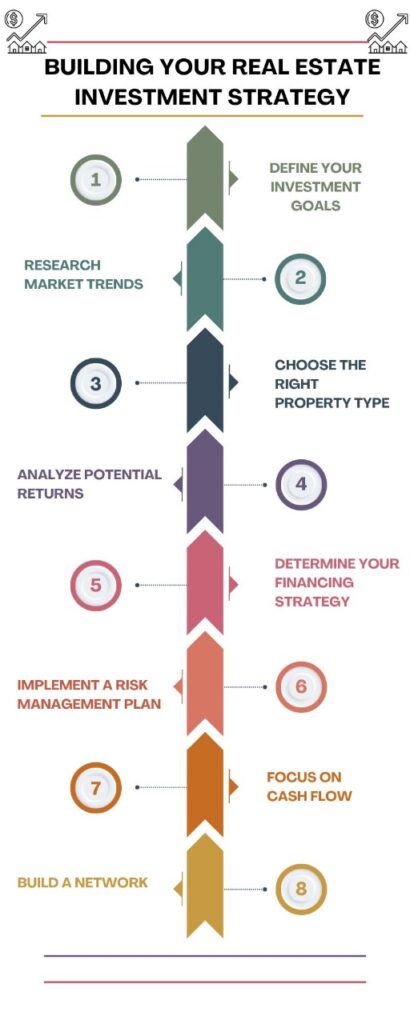
- Building Your Real Estate Investment Strategy
Building your real estate strategy? Here’s a quick guide:
- Goal Setting: Define what you want to achieve (rental income, capital gains).
- Risk Tolerance: Consider how much risk you’re comfortable with (e.g., single vs. multi-unit properties).
- Location Research: Find areas with strong rental markets and potential for appreciation.
- Investment Style: Decide on a buy-and-hold strategy or fix-and-flip approach.
- Long-Term Vision: Plan for ongoing management or future sale of your properties.
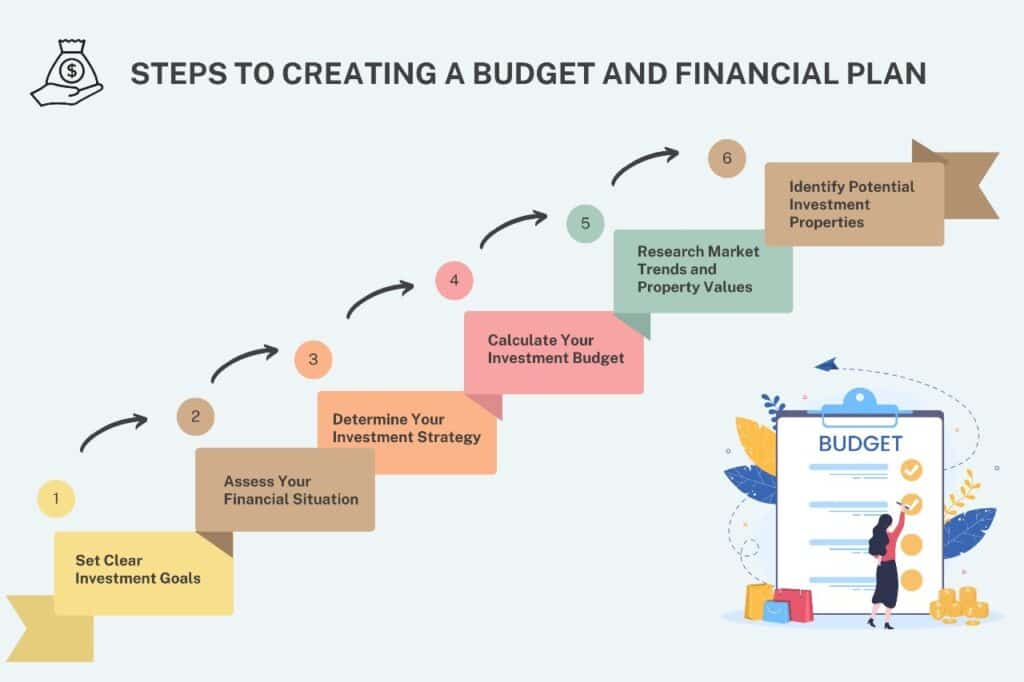
- Creating a Budget and Financial Plan
Beginner real estate investors? Real estate investment requires a solid financial plan for Beginner real estate investors. Budgeting is key! Here’s a plan:
- Income & Expenses: List your monthly income and regular expenses.
- Investment Goal: Define what you want to achieve (rental income, property appreciation).
- Property Costs: Research average down payments, closing costs, and ongoing expenses for your target property.
- Factor in Buffers: Include vacancy periods and unexpected repairs in your calculations.
- Compare & Analyze: See if your investment fits your financial goals and adjust accordingly.
- Finding Suitable Properties
Once you have a strategy and budget in place, start scouting for suitable properties. Beginner real estate investors might consider working with a reputable real estate agent who specializes in investment properties. Utilize local listings and online real estate platforms to broaden your search.
- Exploring Investment Options: Residential vs. Commercial Real Estate
Here’s a table outlining the key differences between residential and commercial real estate investments:
- Financing Your Real Estate Investment
Financing a real estate investment can be achieved through various methods. Traditional mortgages, hard money loans, and private lenders are all options to consider. Look for a different loan product and choose one that aligns with your financial situation and investment goals.
- Performing Due Diligence
Before you buy any property, perform thorough due diligence! Here’s what that means:
- Hire a qualified inspector: Identify potential structural, mechanical, or safety issues.
- Review property records: Verify ownership history, zoning restrictions, and potential liens.
- Research rental market: Analyze rental rates, vacancy rates, and tenant demand in the area.
- Check financial viability: Ensure projected rental income covers expenses and delivers desired returns.
- Don’t skip the small print: Carefully review contracts and disclosures before finalizing the deal.
- Managing Your Real Estate Investments
Managing rental properties requires time and effort. Consider whether you’ll handle maintenance and tenant relations yourself or hire a property management company. Evaluate the pros and cons of each approach based on your investment portfolio size and personal preferences.
Also Read: ‘’How To Invest In Real Estate: A Beginner’s Guide’’.
- Creating a Strategy and Diversifying Your Portfolio
Don’t put all your eggs in one basket! As experience is gained, the consideration of diversifying your real estate portfolio should be made. Here’s how:
- Property Type: Invest in a mix of residential (single-family homes, condos) and commercial (office spaces, warehouses) properties to spread risk.
- Location: Look beyond your immediate area. Explore markets with strong growth potential in different cities or even states.
- Risk Profile: Balance your portfolio with a mix of low-risk, steady income properties and potentially higher-risk, higher-reward properties.
Also Read: ‘’Real Estate Investing: Quick-Start Guide For Beginners’’.
If you’re new to real estate investing, there’s a lot to learn. Understanding things like how the market works, how to finance deals, and how to manage risks can help you succeed in real estate. It’s a big opportunity if you do it right with Vijay Shanthi Builders can offer valuable insights and resources to guide you along the way.
FAQS:
Real estate can be a good fit if you’re patient, do your research, and have a long-term perspective. Preparation for upfront costs and ongoing management should be undertaken.
Residential real estate (single-family homes, condos) might be easier for beginners to manage, while commercial properties (office buildings) offer potentially higher returns but require more expertise.
For beginners, property managers can handle tenant issues, maintenance, and rent collection. This frees up your time but comes at a cost. Consider your experience level and the size of your investment portfolio when deciding.
Closing costs, property taxes, insurance, maintenance, and potential vacancies are all important factors to budget for besides the purchase price.
Traditional mortgages, hard money loans, and private lenders are all options. Explore loan products and choose one that aligns with your financial situation and investment goals.
Chandan Jain
I'm Chandan Jain, Managing Director of Vijay Shanthi Builders. My journey into the realm of construction and urban development began with a profound passion for excellence and innovation. Join me as we explore the dynamic world of real estate, discovering top properties, understanding market trends, and making informed decisions together.
Related Posts
Understanding Vellore’s Real Estate Market
Vellore, a city known for its rich history and cultural heritage, has also emerged

How Do I Educate Myself to Invest in Real Estate?
Investing in real estate can be a lucrative path to financial freedom, but it

Tips to Become Successful in Real Estate Investing (2024)
Becoming successful in real estate investing requires a blend of knowledge, strategy, and market